Batteries Explained: When Do They Actually Make Sense for Farms?

Tom Rhodes, Marketing Manager
Mole Energy
Over the past few months, we’ve spoken a lot about why solar makes sense for farms, homes and businesses and how it helps provide energy stability in uncertain times. At a recent event, one topic kept being raised; batteries, and more specifically, whether they’re worth adding to an existing solar system.
With more farms now generating their own electricity, it’s a fair question. The answer, as with most things, depends on how the business uses energy.
What does a battery actually do?
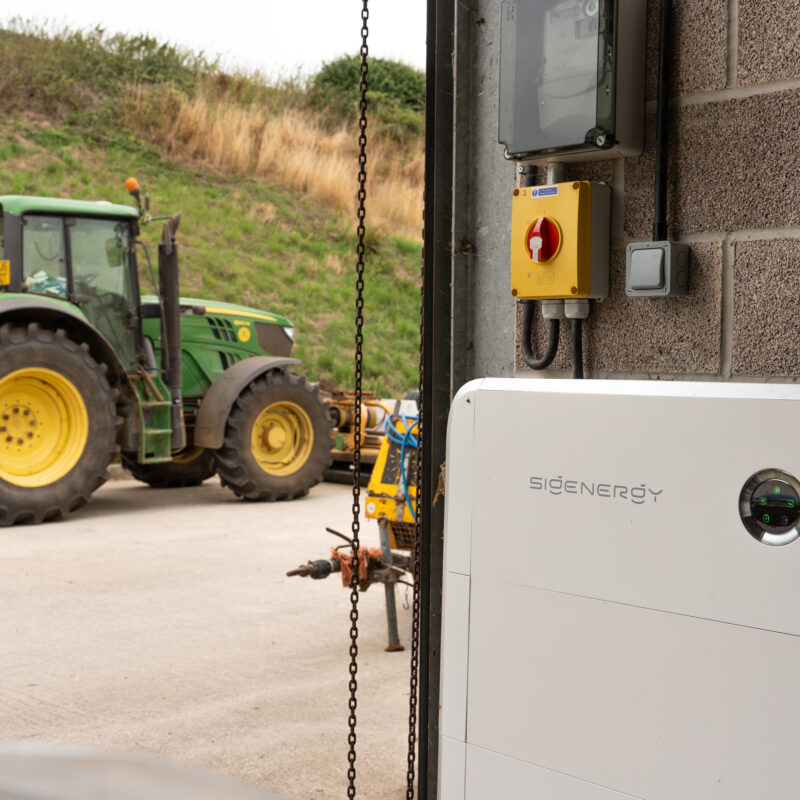
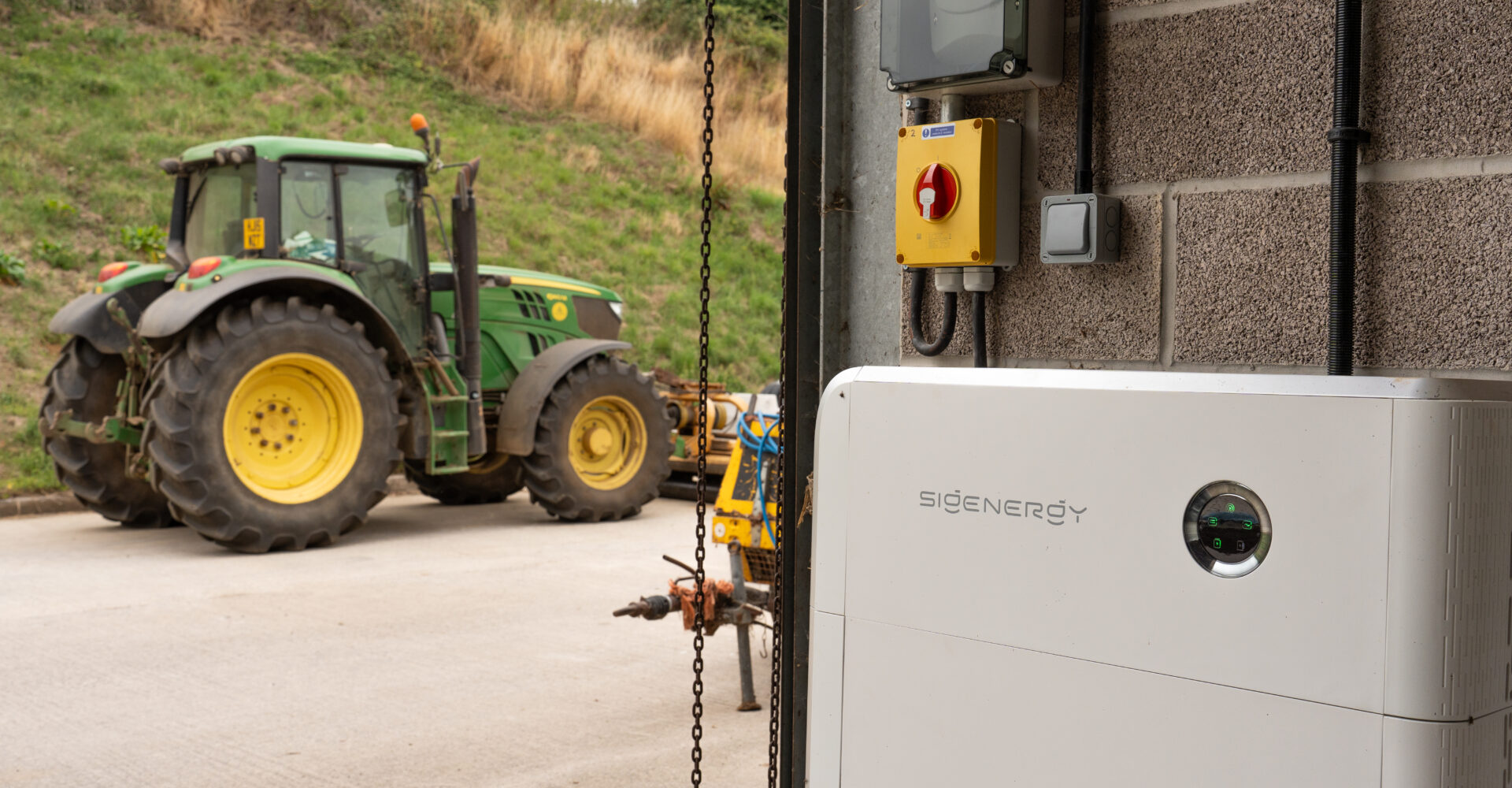
A battery doesn’t create energy. Instead, it captures excess solar power and releases it when the demand on the system needs more electricity than the panels are generating. On farms, this usually means storing surplus solar power and using it in periods of high demand, reducing reliance on grid. For some businesses, this can significantly improve self‑consumption of solar.
When batteries tend to work well on farms
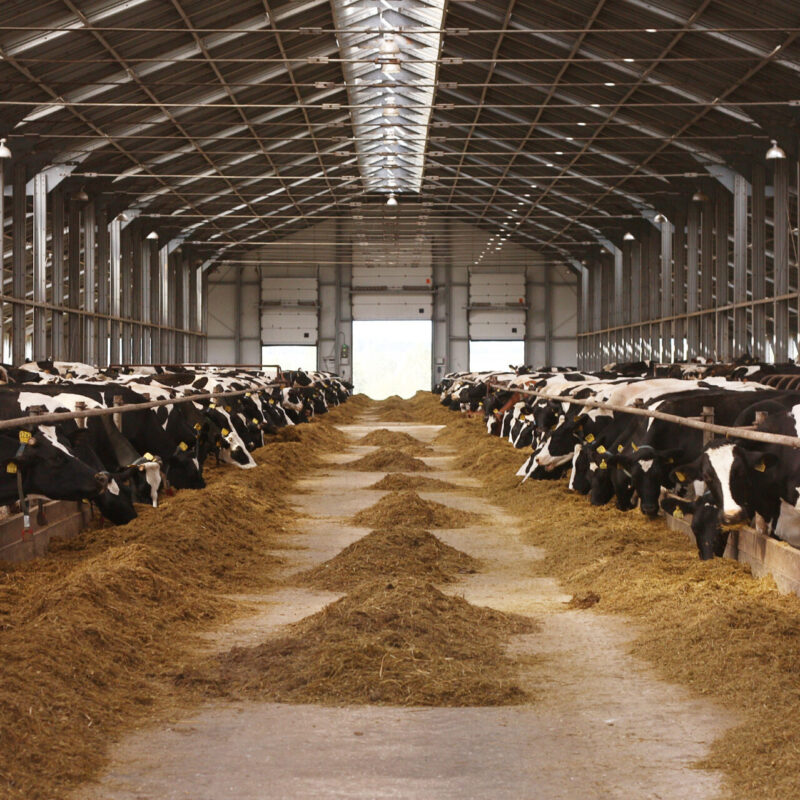
From our experience of installing solar and batteries on farms for over 15 years, batteries usually make sense where energy demand doesn’t closely match periods of peak solar output. Good examples of this include Dairy farms, where milking, cooling and cleaning often happen in the early morning and evening. Farms with heavy evening or overnight usage and sites nearing grid capacity limits, where exporting excess solar isn’t possible, are also ideal environments for batteries. In these cases, a battery allows you to use more of your own energy on-site, rather than exporting it cheaply.
Existing solar systems: can a battery be retrofitted?
This was one of the most common questions we’ve been asked, and the encouraging answer is often yes. Many existing solar systems can be upgraded with a battery, but whether it’s worthwhile depends on the size of the solar system, how much surplus energy is actually being exported and the current farm electricity usage patterns.
A battery should never be added on guesswork alone. It needs to be correctly sized and properly integrated to ensure it delivers real value.
Batteries as part of a wider energy strategy
Increasingly, batteries make the most sense when viewed as part of a long‑term energy plan. Looking ahead, batteries can help with managing future energy price changes, supporting electric vehicles and machinery, improving resilience during outages and preparing for changes in export tariffs and grid constraints.
A key advantage of adding a battery is unlocking load shifting. This is the ability to store electricity when it is cheapest or most readily available, such as surplus solar generation or off‑peak grid electricity, to use it later when demand and prices are higher. When paired with smart energy tariffs, batteries can automatically charge and discharge at the most cost‑effective times, helping homes and businesses reduce energy costs without changing day‑to‑day operations.
For homes, farms and businesses this could mean using stored energy during peak times and avoiding expensive electricity rates altogether. In these cases, the battery adds flexibility and control, rather than simply storage.
For many farms, the key question isn’t “Should I get a battery now?” but “How do I make my system work best for my energy needs?”
The takeaway
Batteries can be a powerful addition to farm solar systems, when they’re used in the right way, for the right reasons.
If you already have solar, the starting point is understanding how much energy you generate, when you use it and what currently gets exported.
From there, it becomes much clearer whether a battery will genuinely add value, or whether another step should come first.
Tom Rhodes, Marketing Manager
Mole Energy
The latest