Why Now Is the Right Time for Dairy Farmers to Invest in Solar and Consider Battery Storage

Tom Rhodes, Marketing Manager
Mole Energy
Dairy farming has always been a balance between production, efficiency and resilience. In recent years, however, that balancing act has become increasingly difficult. Volatile milk prices, rising overheads and growing pressure from supply chains around sustainability means farmers are under greater scrutiny than ever to control costs while future‑proofing their businesses.
One area where many dairy farms are now seeing real, measurable gains is on‑farm renewable energy, particularly solar PV, with the option of battery storage.
Energy: a Rising Fixed Cost
Recent costings show that many dairy businesses have faced tighter cashflow in recent months, with lower milk prices putting additional pressure on already stretched budgets. Even as input costs such as concentrates have eased at times, the overall cost base for dairy farms has remained stubbornly high. Energy is a major part of that picture, a fixed, unavoidable expense that continues to erode margins regardless of how the milk market moves.
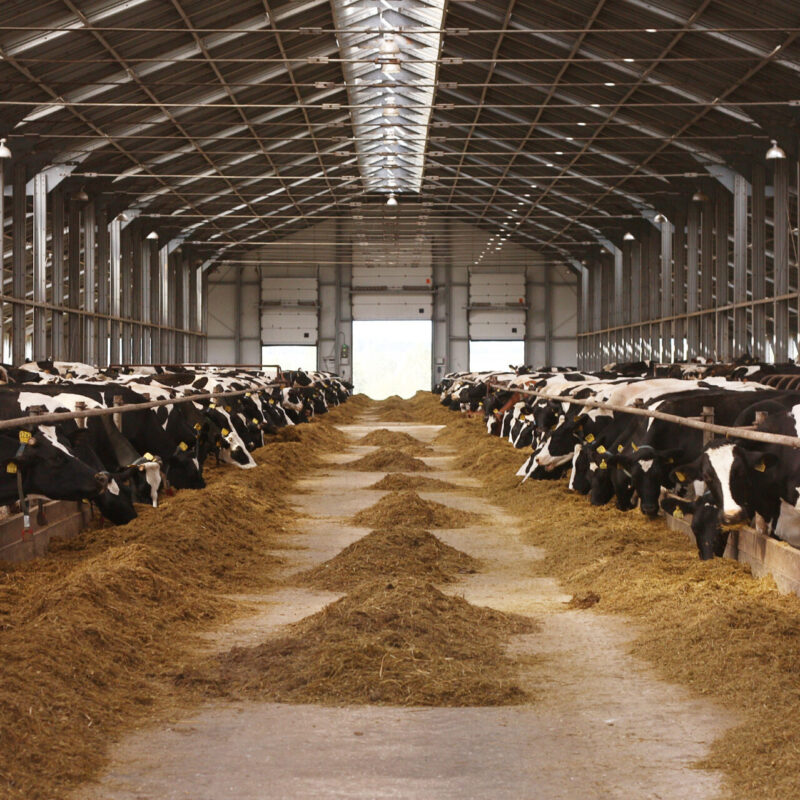
Electricity is a non‑negotiable input for modern dairies, powering milking parlours, robots, bulk tanks, water heating, cooling, ventilation and increasingly automated systems. For many farms, electricity has become one of the largest and least controllable expenses on the balance sheet.
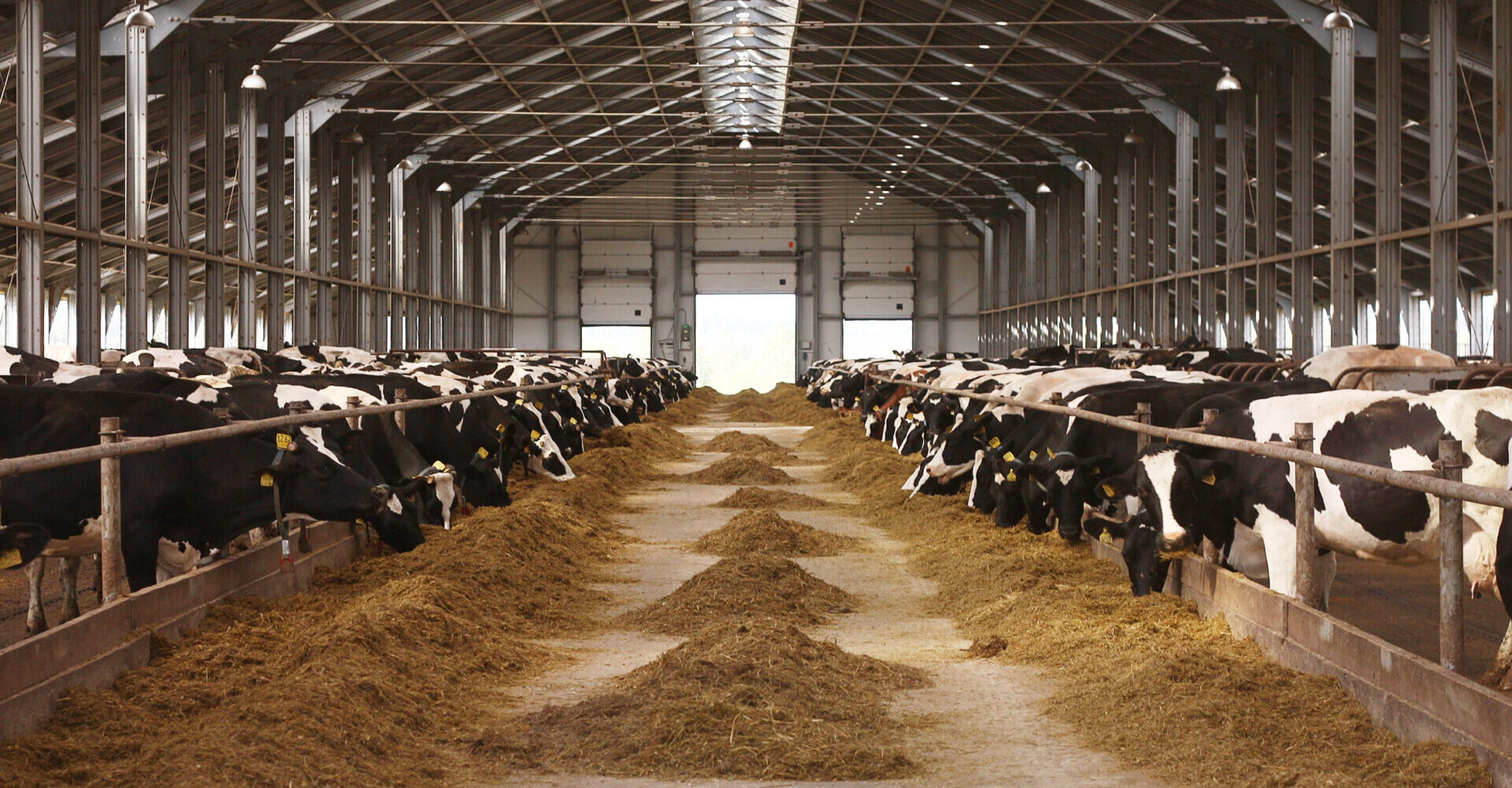
Unlike feed or fertiliser, however, energy demand is relatively predictable. Milking often happens at set times, day in and day out. That consistency makes dairy farms particularly well suited to a solar and battery system, especially when systems are designed around actual on‑farm consumption rather than simply maximising roof coverage.
Solar That Matches the Milking Routine
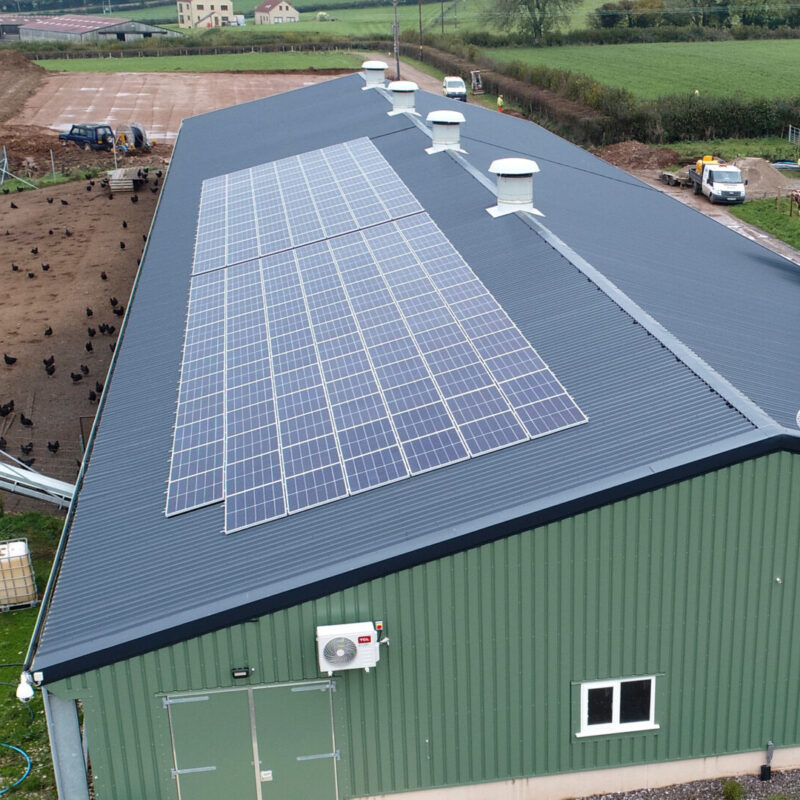
As demonstrated by Andrew Creed at Knapp Farm in Somerset, dairy farms are perfectly positioned to make the most of solar generation. High electricity demand means a greater proportion of generated power can be used directly on site, rather than exported back to the grid at lower values. In Andrew’s case, installing a 36kWp solar PV system has pushed the farm to over 50% electricity self‑sufficiency, nearly halving monthly electricity bills.
That saving goes straight to the bottom line, improving margin over purchased feed without increasing cow numbers, feed inputs or workload. It is a clear example of how efficiency gains can be made outside the parlour.
Watch our dairy case study here.
Strong Returns, Even Without Batteries
Financially, solar continues to stack up. Well‑designed systems are commonly delivering payback periods of three to five years, with returns that comfortably outperform many traditional investments. With systems expected to operate for 25 years or more, solar provides long‑term cost certainty in a sector where volatility is the norm.
Battery storage adds another layer of opportunity. While not essential for every farm, batteries allow excess solar generated during the day to be stored and used later, for evening milkings, overnight cooling or early‑morning starts. As energy tariffs become more complex and peak pricing more common, battery storage can further reduce imported electricity and help protect against future price rises.
Supporting Sustainability Targets
Sustainability is no longer optional. Milk pricing is becoming increasingly differentiated, with processors rewarding attributes beyond volume alone. Carbon footprint, energy efficiency and environmental performance are playing a growing role in supply contracts.
Solar PV offers a practical, visible way to cut emissions without compromising productivity. For many farms, it represents one of the quickest wins in reducing carbon per litre of milk produced, something milk buyers are increasingly measuring and valuing.
Future‑Proofing the Dairy Business
The most resilient dairy businesses are those that focus on controllable costs. Feed efficiency, milk from forage and herd health remain critical, but energy is now firmly part of that conversation.
As Andrew Creed puts it, “Crunch the numbers. I’d be very surprised if it didn’t work out.” In a world of rising expectations and uncertain input costs, solar power gives dairy farmers something rare: control. And for many, there has never been a better time to invest.
Tom Rhodes, Marketing Manager
Mole Energy
The latest