Energy Independence on the Farm: Protection from Instability

Tom Rhodes, Marketing Manager
Mole Energy
Farmers across the UK are no strangers to fluctuating input costs, but energy has become one of the most difficult to predict. While domestic households receive some protection through the Ofgem‑regulated price cap, commercial users, including farms, do not. This means agricultural businesses are directly exposed to the full effects of movements in wholesale gas and electricity markets. Industry sources are clear: the domestic price cap applies only to households, and there is currently no equivalent cap for business energy, leaving organisations fully subject to market volatility.
Understanding this difference is key to building resilience. Energy costs for farms can spike or dip significantly depending on when contracts are renewed and what is happening globally. A conflict in the Middle East, for example, can demonstrate how geopolitical tensions in gas‑producing regions can influence wholesale prices. Farmers are affected sooner and more sharply than domestic consumers, simply because their rates are not controlled in the same way.
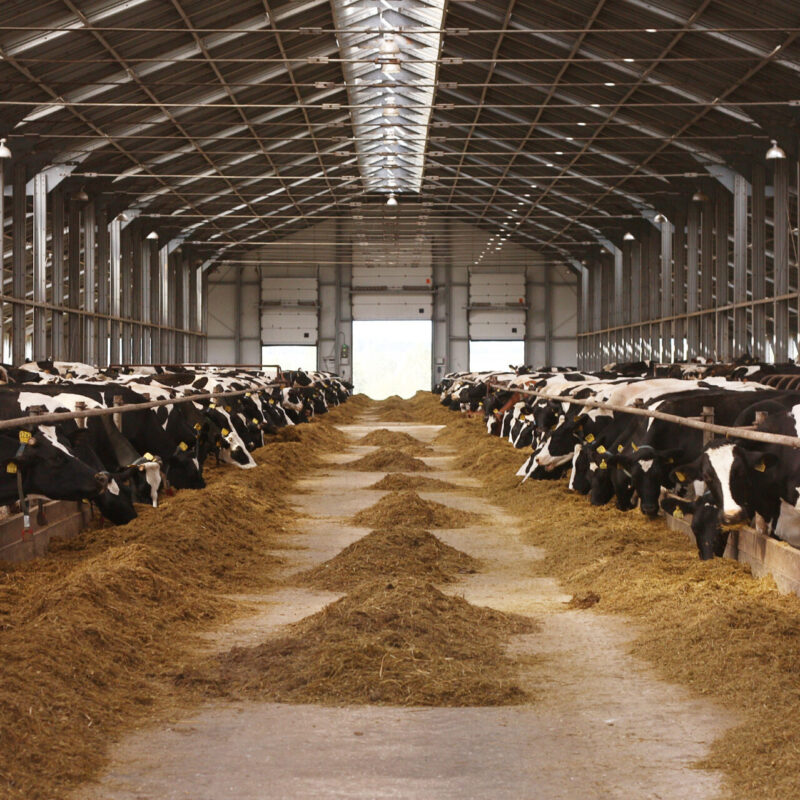
For many agricultural operations, energy use isn’t optional or easily reduced. Dairy farms rely on refrigeration, pumps and water heating systems. Poultry units need constant climate control. Arable farms depend on irrigation pumps, grain drying, and increasingly, electric equipment. These are essential functions. With no cap in place to limit costs, even small shifts in energy markets can have a noticeable impact on operating expenses.
This is where the conversation around energy independence becomes relevant. Energy independence doesn’t necessarily mean disconnecting from the grid; rather, it means reducing exposure to factors outside a farmer’s control. For some farms, this may involve improving energy efficiency and reducing wastage. For others, it may include generating more of their own power or exploring ways to store energy to use during peak‑cost periods.
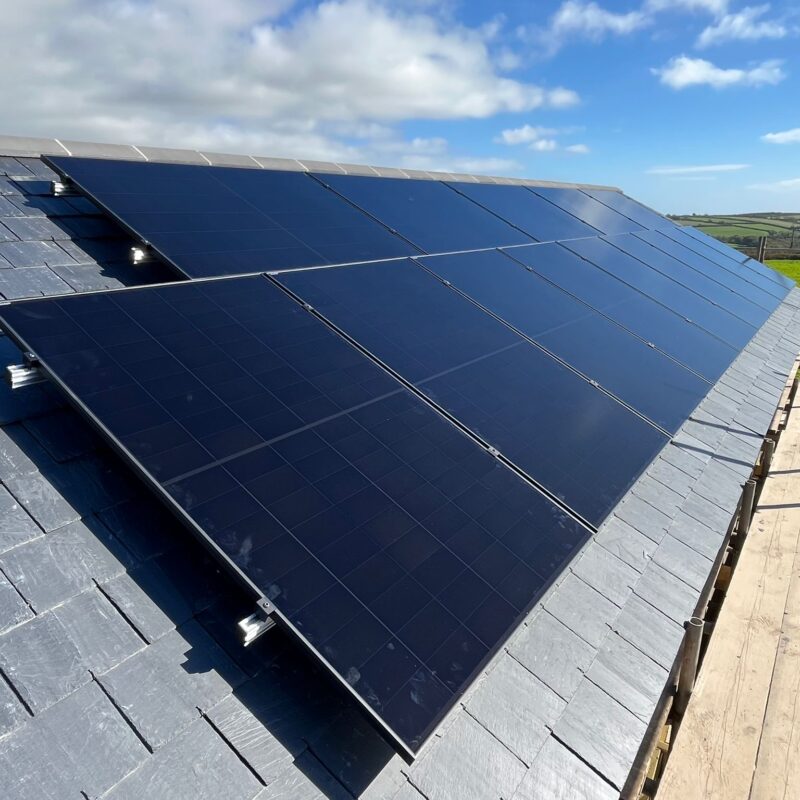
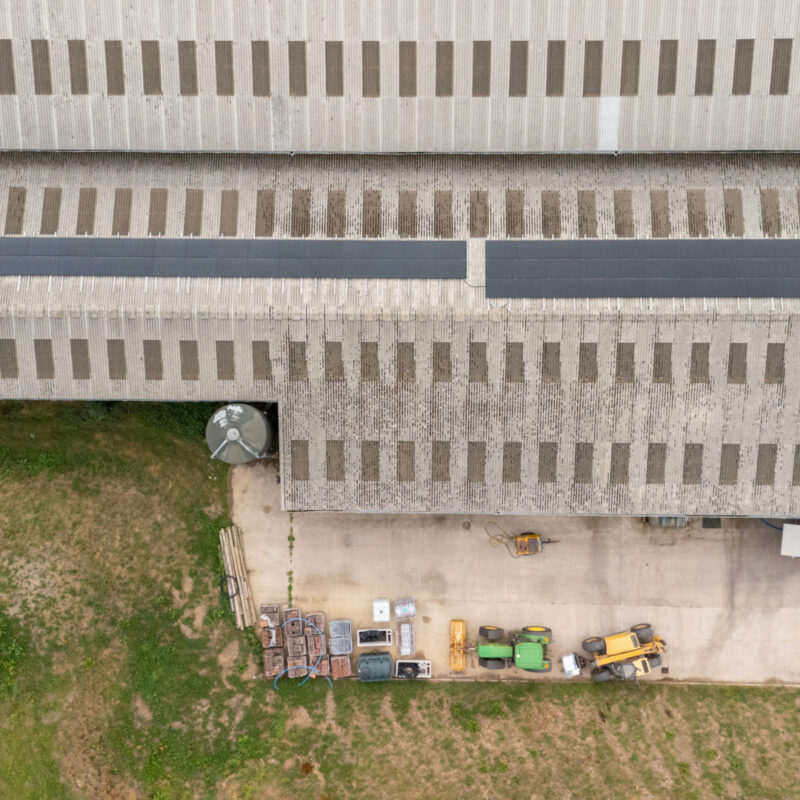
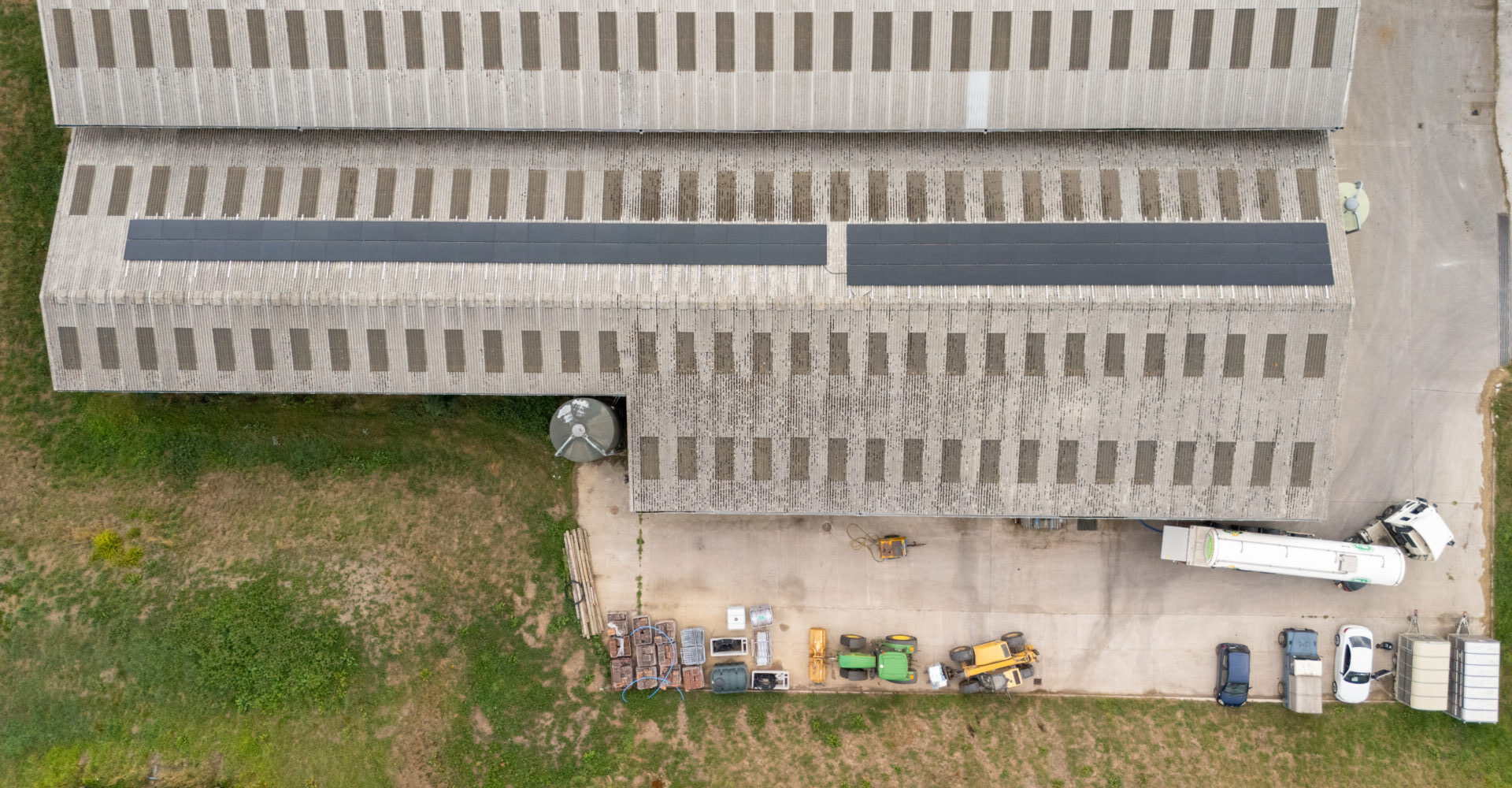
For most farms, solar is the simplest and most cost effective starting point. Agricultural buildings typically have large roof areas, ideal conditions for solar generation. Solar offers something unusual in a volatile energy environment: predictability. Once the system is installed, a portion of your energy is produced at a known and effectively fixed cost, independent of geopolitical events. For high‑demand operations, even covering part of the daytime load can make budgeting more consistent year‑on‑year.
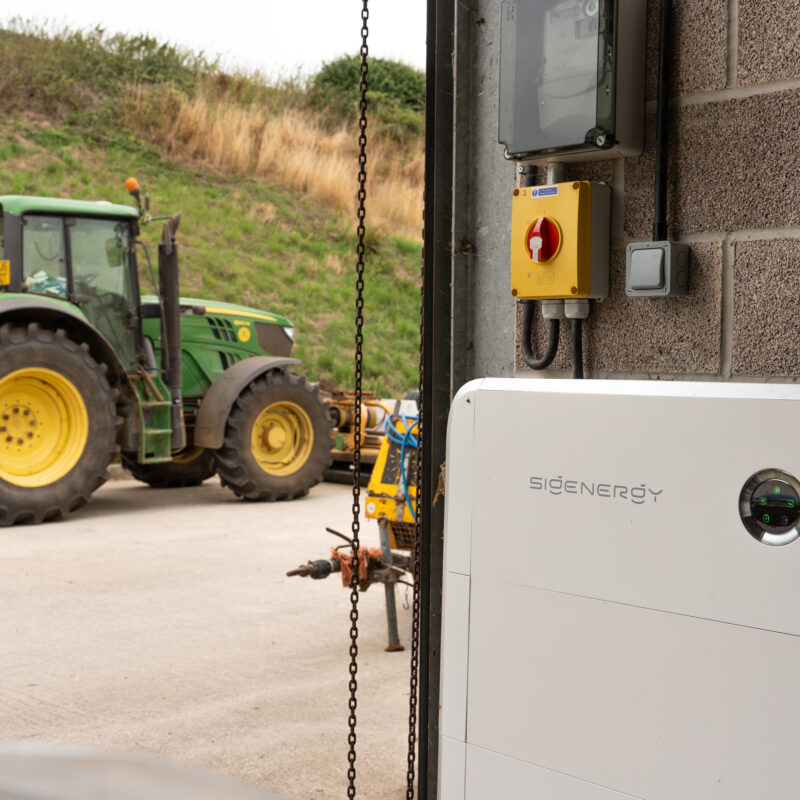
Battery storage deepens this stability. For farms with variable consumption patterns, such as those with refrigeration cycling through the night, or equipment that runs most heavily at dawn or dusk, a battery allows excess daytime solar to be stored and used when it’s needed most. This reduces reliance on grid electricity during peak‑rate periods and gives farmers more control over when they buy power and how much they use from external sources. Some farms also see value in the added resilience: during grid outages, a battery can maintain critical systems until supply is restored.
Whilst solar and battery storage don’t eliminate market volatility, it will soften its impact. They help turn an unpredictable cost into a manageable one. Time of use charging is a good example of this. Electricity rates typically vary depending on the time of day. Using a battery allows a farm to take advantage of these patterns. Excess solar generated during the day can be stored and then used during these peak periods. Even in periods of low solar generation, a battery can charge from the grid during off‑peak hours and discharge during peak‑rate windows, allowing farms to avoid the most expensive tariffs.
With summer approaching, the period when solar generation is at its strongest, farmers have an opportunity to review how much of their energy use could realistically be met through on‑site renewable generation and whether storage could help shift that energy into peak‑demand hours.
If there’s one message to take forward, it’s that energy independence is not an all‑or‑nothing choice. It’s a spectrum, and even taking a single step toward producing or storing more of your own power can make a meaningful difference. By understanding how commercial energy pricing works, how global events shape the UK market, and how technologies like solar and batteries can reduce exposure, farmers can make informed, confident decisions that strengthen their operations for the years ahead.
Tom Rhodes, Marketing Manager
Mole Energy
The latest